
Hormonal & Nutritional Health
Nutrition overview, considerations and simplified approach

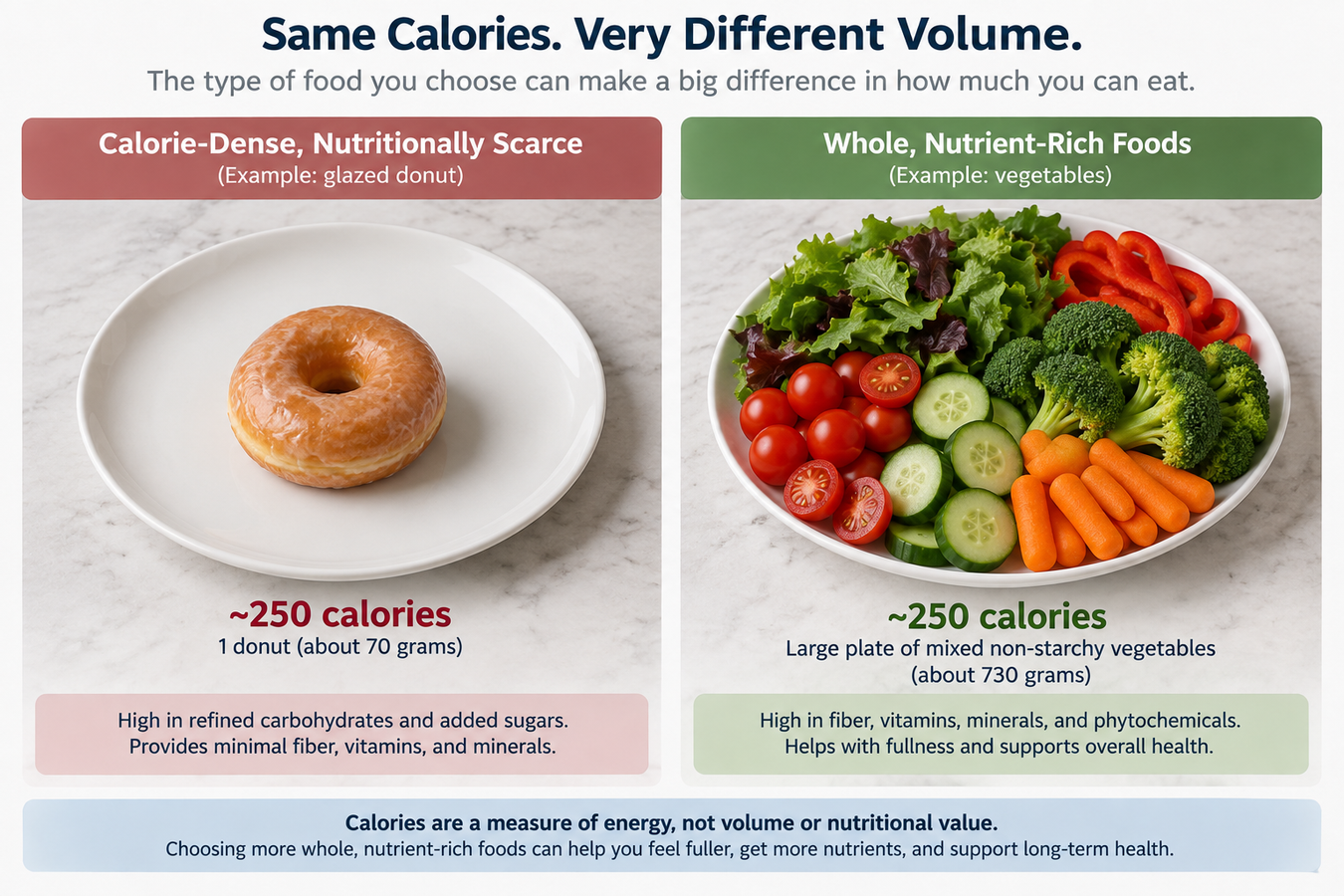
Nutritional Health: Finding the Signal Through the Noise
Few areas of health generate as much conflicting advice as nutrition. Eat more carbohydrates. Eat fewer carbohydrates. Avoid fat. Eat more fat. Eat only plants. Avoid grains. Fast for part of the day. Track every calorie. Stop tracking altogether. Many of these recommendations are supported by some combination of biological plausibility, observational research, short-term clinical trials, personal experience, or compelling individual success stories. That does not make them equivalent.
Nutrition matters profoundly. What we eat influences body composition, blood pressure, glucose regulation, blood lipids, gastrointestinal function, bone and muscle, exercise performance, nutritional status, and long-term disease risk. But nutrition is also unusually difficult to study. The uncertainty within nutrition science should make us appropriately cautious about overly precise claims. It should not prevent us from recognizing the principles that consistently emerge across different lines of evidence. The goal is not to identify the perfect diet but to build an eating pattern that provides adequate nutrition, supports the individual's health and goals, reduces unnecessary risk, and can actually be sustained.
Why nutrition is so difficult to study
Nutrition is harder to control for, and therefore accurately study, than a medication trial. A medication trial can randomize one group to a drug and another to placebo while controlling the dose relatively precisely. Conversely, people eat thousands of meals over years or decades. Foods contain combinations of nutrients rather than isolated compounds. Changing one component of the diet inevitably changes another. If carbohydrate intake decreases, protein, fat, or both must replace it to keep energy intake balanced. If saturated fat decreases, the health effect may depend partly on whether it is replaced with unsaturated fat, whole-food carbohydrate, or refined carbohydrate. Long-term randomized feeding trials in which every meal is provided would be extraordinarily expensive and difficult. Consequently, much of what we know about long-term nutrition and disease comes from observational research.
We are not very good at remembering what we eat
Large nutrition studies frequently rely on food-frequency questionnaires, dietary recalls, or food records. However, people forget foods, misestimate portions, incompletely report snacks and beverages, and sometimes report what they believe they should have eaten rather than precisely what they consumed. Validation studies comparing self-reported intake with objective measures demonstrate both random and systematic measurement error.¹˒²
Healthy-user bias complicates the picture
People who consistently choose foods considered healthy often differ from people who do not in many other ways. They may exercise more, smoke less, receive more preventive healthcare, sleep differently, or have different socioeconomic circumstances. Attempting to control for these confounding variables statistically is never perfect, leaving us with associations between a food and a health outcome that does not necessarily prove that the food itself caused that outcome.
Imperfect evidence does not mean we know nothing
Despite these challenges, several principles emerge repeatedly across observational studies, controlled feeding studies, randomized trials and mechanistic research. Dietary patterns emphasizing vegetables, fruits, legumes, nuts, seeds, whole grains and other minimally processed foods, while favoring unsaturated over saturated fats and limiting excessive sodium and highly processed foods, consistently perform well across multiple health outcomes.
Several established dietary patterns arrive at these principles from somewhat different directions and their overlap may be more important than their differences.
Mediterranean: a strong general foundation
The Mediterranean diet is more of a dietary pattern than a rigid prescription. It generally emphasizes vegetables, fruits, legumes, nuts, whole grains, olive oil and other unsaturated fats; includes fish and often poultry; and limits processed meats, large amounts of red meat, refined foods and sweets. It also has one of the strongest evidence bases among dietary patterns.
The PREDIMED trial included 7,447 adults at high cardiovascular risk and found fewer major cardiovascular events among participants assigned to Mediterranean dietary patterns supplemented with extra-virgin olive oil or nuts compared with a lower-fat control diet.³ The original publication was reanalyzed after irregularities in randomization were identified and continued to demonstrate benefit.³
The Mediterranean pattern is attractive because of (and limited by) its flexibility. It does not require elimination of an entire macronutrient or major food category and can therefore accommodate different calorie requirements, protein needs, cultures, preferences and performance goals. However, its flexibility also makes the term "Mediterranean diet" broad enough to mean different things to different people. Simply adding olive oil to an otherwise poor diet does not create a Mediterranean dietary pattern.
DASH: using food to influence blood pressure
The Dietary Approaches to Stop Hypertension (DASH) diet shares many characteristics with Mediterranean eating but was developed specifically around blood-pressure reduction. It emphasizes fruits, vegetables, whole grains, legumes, nuts, low-fat dairy and lean protein while limiting saturated fat, sweets and sodium.
In the original controlled DASH feeding trial, 459 adults were randomized to controlled diets for eight weeks. The DASH combination diet reduced blood pressure by approximately 5.5/3.0 mmHg more than the control diet, despite maintaining body weight and sodium intake.⁴ The subsequent DASH-Sodium trial demonstrated that reducing sodium further lowered blood pressure and that combining DASH eating with lower sodium intake produced particularly substantial effects.⁵ DASH also demonstrates something important beyond hypertension. Food quality can change physiology even without weight loss.
Its main limitations are practical and involve implementation and sustainability. Following a strict DASH pattern can require substantial changes from the typical American diet, particularly in sodium, processed-food consumption and produce intake making adherence more difficult.
MIND: applying Mediterranean and DASH principles to brain health
The Mediterranean-DASH Intervention for Neurodegenerative Delay (MIND) diet combines elements of Mediterranean and DASH eating while emphasizing foods hypothesized to support cognitive health such as leafy greens, other vegetables, berries, nuts, whole grains, legumes and olive oil.
Observational studies linking greater MIND adherence with cognitive outcomes generated considerable interest. But MIND also illustrates why we should distinguish observational associations from randomized evidence. A three-year randomized trial compared a MIND diet with mild caloric restriction against a control diet with the same degree of caloric restriction in older adults at risk for cognitive decline. Cognition improved in both groups, but the MIND intervention did not produce a statistically significant additional improvement in cognition.⁶ That does not make MIND an unhealthy diet. Its basic composition remains excellent. It means we should be cautious about claiming that following the MIND diet specifically prevents dementia.
Portfolio: using specific foods to lower cholesterol
The Portfolio diet focuses on lowering LDL cholesterol. Compared to the Mediterranean diet, the Portfolio diet is much more prescriptive. Rather than describing an entire cuisine, it combines several dietary components known to lower LDL cholesterol (viscous soluble fiber, nuts, plant protein (particularly soy) and plant sterols).
Controlled trials have demonstrated clinically meaningful LDL reductions when these components are combined. In an early controlled feeding trial, the full Portfolio pattern reduced LDL cholesterol by approximately 29% over one month, similar in magnitude in that small study to low-dose lovastatin.⁷ A subsequent six-month randomized trial conducted under more real-world conditions found greater LDL reduction with Portfolio dietary counseling than with conventional low-saturated-fat dietary advice.⁸
This does not mean the Portfolio diet should replace lipid-lowering medication when medication is indicated. It demonstrates that specific foods can be selected strategically to influence a physiological target. For many people, Portfolio principles can be layered onto a Mediterranean or DASH foundation rather than treated as an entirely separate diet.
Vegetarian and vegan diets: potentially excellent, but planning matters
Plant-based eating exists on a spectrum. Plant forward diets focus on plant foods without eliminating meat entirely. Vegetarian diets typically exclude meat but may include eggs and dairy. Vegan diets exclude animal-derived foods altogether.
Well-designed vegetarian and vegan diets can contain abundant vegetables, fruits, legumes, whole grains, nuts, seeds and fiber while remaining relatively low in saturated fat. They can therefore align closely with many of the principles associated with cardiometabolic health. But plant-based does not automatically mean healthy or nutritionally complete. Refined grains, sweets, fried foods and many ultraprocessed foods can all be vegan.
Importantly, progressively eliminating animal foods removes concentrated sources of certain nutrients. Vitamin B12 requires particular attention in vegan diets and generally requires fortified foods or supplementation. Other nutrients that may require deliberate planning include iron, calcium, vitamin D, iodine, zinc, selenium and omega-3 fatty acids, as well as protein depending on total intake and food selection.⁹˒¹⁰
None of those concerns makes vegan eating inherently unhealthy. They demonstrate the difference between dietary philosophy and nutritional adequacy. A well-designed vegan diet can be nutritionally robust. A poorly designed one can produce deficiencies.
Ketogenic diets: useful in some contexts, but responses vary
A ketogenic diet dramatically restricts carbohydrate intake, typically enough to produce nutritional ketosis. Ketogenic diets have established therapeutic applications in epilepsy and can also produce weight loss and improvements in several metabolic markers in people with obesity or metabolic disease. Across trials, carbohydrate restriction frequently lowers triglycerides and raises HDL cholesterol.¹¹˒¹² But lipid response deserves attention. Randomized-trial evidence suggests that ketogenic diets can increase LDL cholesterol on average even while improving triglycerides, HDL cholesterol, body weight or glycemic measures.¹¹ In normal-weight adults, very-low-carbohydrate ketogenic diets have produced significant increases in both LDL cholesterol and apoB.¹³ LDL responses to carbohydrate restriction also appear to vary considerably among individuals.¹⁴ This matters because improvements in triglycerides, glucose or body weight do not make increased atherogenic lipoprotein exposure irrelevant.
Ketogenic diets are also nutritionally diverse. A diet based heavily on butter, fatty red meat and processed meat is different from one emphasizing fish, olive oil, avocado, nuts, seeds and non-starchy vegetables.
The appropriate question therefore is not "Is keto good or bad?" but rather "Why is this person using it, what are they actually eating, how are they responding, and do the benefits justify the tradeoffs?"
Carnivore diets: stronger claims than evidence
Carnivore diets generally eliminate plant foods and rely almost entirely on meat, eggs, seafood and sometimes dairy. Some people report improved satiety, weight loss or relief of gastrointestinal or other symptoms. While those experiences should not simply be dismissed, the scientific evidence supporting long-term carnivore eating remains extremely limited. Available human studies are few and have substantial limitations, including small or self-selected samples, short duration and limited controlled outcome data. Potential concerns include inadequate fiber and selected micronutrients as well as increases in LDL cholesterol depending on food selection and individual response.¹⁵˒¹⁶
Carnivore diets can readily provide protein, vitamin B12, zinc, selenium and several other nutrients. But adequacy of fiber, vitamin C, calcium, magnesium, iodine and other nutrients can become more difficult depending on how the diet is constructed. Saturated-fat intake can also become high when fatty meats, butter and high-fat dairy predominate. The absence of plant foods deserves particular attention because it also removes the major dietary sources of fermentable fibers and numerous phytochemicals.
This creates an important asymmetry in the evidence. We have substantial evidence supporting dietary patterns rich in minimally processed plant foods. We have very little long-term outcome evidence demonstrating that eliminating those foods improves health. That does not prove that every individual will do poorly on a carnivore diet. It means that claims of superior long-term health currently exceed the evidence supporting them.
Different diets, considerable overlap
At first glance, Mediterranean, DASH, MIND, Portfolio, vegetarian and vegan diets may appear different but overlap considerably. They generally emphasize plants, provide fiber, and favor minimally processed foods. They tend to reduce saturated fat relative to a typical Western dietary pattern. They provide substantial amounts of unsaturated fat, potassium and other micronutrients. They minimize highly processed meats, refined foods and excessive sodium to varying degrees.
Ketogenic eating can diverge substantially in macronutrient composition while still incorporating some of these principles if it emphasizes unsaturated fats, appropriate protein and low-carbohydrate vegetables. Carnivore eating diverges the most because it deliberately eliminates many of the food categories emphasized across the other patterns.
The useful conclusion is that the name of the diet likely matters less than the foods that end up on the plate.
Nutrition should fit the person
Population evidence gives us a starting point but does not mean everyone should eat identically. A person trying to preserve muscle during weight loss may need particular attention to protein. Someone with hypertension may benefit from greater attention to sodium intake and potassium-rich foods. Someone with elevated apoB may benefit from reducing saturated fat and incorporating Portfolio principles. An endurance athlete may require substantially more carbohydrate than a sedentary person. A vegan may require deliberate vitamin B12 supplementation and attention to several other nutrients. Someone taking a GLP-1–based medication who is eating substantially less food may require greater attention to protein, fiber and overall nutrient density. Medical conditions, food allergies, gastrointestinal disorders, medications, exercise demands and individual preferences can all require additional modification. Personalized nutrition should mean adapting sound nutritional principles to the individual.
Supplements should supplement
Supplements can be useful, but the foundation remains food. Vitamin B12 in a vegan diet is an obvious example. Iron can be appropriate when iron deficiency is present. Vitamin D supplementation can be useful when intake or status is inadequate. Psyllium can help increase soluble fiber intake. Plant sterols can lower LDL cholesterol. But supplementation should generally address a specific need or objective. A collection of capsules does not reproduce the complex nutritional environment created by vegetables, fruits, legumes, nuts, seeds, whole grains and other minimally processed foods. Nor can supplements reliably compensate for chronically excessive energy intake, inadequate protein, insufficient fiber or a dietary pattern dominated by highly processed foods.
Sometimes tracking is useful
For many people, healthy eating does not require weighing every gram of food or tracking every calorie indefinitely. But there are circumstances in which measuring what we eat can be extremely informative.
Humans are not particularly good at estimating energy intake. Portion sizes are difficult to judge, foods eaten casually are easily forgotten, and oils, dressings, beverages, snacks and restaurant meals can contribute substantially more energy than people realize. A classic study illustrates the problem. Researchers evaluated a small, highly selected group of individuals with obesity who reported consuming fewer than 1,200 calories per day despite difficulty losing weight. Using objective measurements, investigators found no evidence of unusually low energy expenditure. Instead, these participants underreported actual food intake by an average of approximately 47% and overreported physical activity by approximately 51%.¹⁷
The study should not be interpreted to mean that everyone underestimates food intake by that amount. Nor should underreporting be interpreted simply as dishonesty. Eating is repetitive, portions are difficult to estimate, and human memory is an imperfect measurement instrument.
Tracking is about more than calories
The value of a food record may be less about calculating energy intake with perfect precision and more about making an otherwise largely automatic behavior visible. Tracking can reveal that a serving of nuts is much smaller than expected, that cooking oil contributes meaningful calories, or that a restaurant meal contains more energy than several meals prepared at home. It can show whether protein is actually distributed across the day rather than concentrated at dinner. It can reveal that fiber intake is considerably lower than expected. It can demonstrate how rapidly carbohydrate, fat, alcohol or total energy intake accumulates depending on the foods being chosen. Depending on the tracking method, many nutritional softwares can identify potential gaps in micronutrient intake that may warrant closer dietary assessment. Calculated intake, however, should not be confused with measuring actual nutritional status; absorption, requirements and nutrient stores vary among individuals.
Weighing and measuring food for a period of time can also teach what a serving actually looks like. Someone does not necessarily need to weigh food forever to benefit from spending several weeks learning the difference between 1 and 2 tablespoons of peanut butter, 4 and 8 ounces of meat, or one and three servings of cereal. In this sense, tracking can function as nutrition education with immediate feedback.
Self-monitoring can change behavior
The act of tracking itself can change what we do. As the old adage goes: that which isn’t measured gets ignored. Dietary self-monitoring has long been a central component of behavioral weight-management programs. Greater adherence to dietary self-monitoring is generally associated with greater weight loss, although it is difficult to completely separate the effect of tracking from the other components of comprehensive behavioral treatment.¹⁸˒¹⁹
Digital tools have made self-monitoring considerably easier and can provide immediate feedback about energy and nutrient intake. Recording a snack before or immediately after eating it creates a moment of intentionality that eating directly from a package may not. The benefit therefore may not come entirely from knowing whether a meal contained exactly 612 or 647 calories but rather that tracking makes the decision visible.
The numbers are still estimates
Calorie and macronutrient tracking should not create a false sense of precision. Food energy historically developed from measurements of heat energy, while modern food-energy estimates generally use metabolizable-energy calculations such as the Atwater system to account for digestion and losses. These remain estimates rather than direct measurements of exactly how much usable energy a particular individual obtains from a particular meal.
Food composition varies, preparation can alter digestibility and bioavailability, individuals differ in digestion and absorption. Portion measurements contain errors. Food databases and nutrition labels are imperfect. Energy-expenditure estimates from watches and exercise equipment introduce another layer of uncertainty.
A calorie or macronutrient target should therefore be treated as a useful estimate rather than a measurement to the nearest calorie or gram. Whether someone consumed 178 rather than 175 grams of protein is unlikely to matter but discovering that someone who believed they were eating 150 grams is consistently consuming 85 grams might matter considerably. Precision is not the same thing as accuracy and useful information does not require perfect accuracy.
Tracking should have a purpose
Tracking requires time and attention. Tracking can become burdensome, and for some people it can promote an unnecessarily rigid relationship with food or be inappropriate in the setting of disordered eating.
The objective therefore should not necessarily be lifelong calorie counting. Tracking can instead be used strategically. Someone might track carefully for several weeks, learn what their normal intake actually looks like, adjust portions and meal composition, and eventually transition toward a simpler eating framework. Others, particularly athletes, people pursuing specific body-composition goals, or people who simply prefer quantitative feedback, may find longer-term tracking useful. The appropriate amount of measurement depends on the person and the problem being solved.
Make the better decision easier
Knowing what to eat and consistently eating that way are different problems. Hunger, convenience, habit, food availability, social situations, time pressure and our surrounding environment all influence dietary decisions. A sustainable nutrition strategy should therefore make the desired behavior easier rather than relying entirely on willpower.
Plan before you are hungry
Deciding what to eat when hungry, tired and short on time creates an unnecessary disadvantage. Meal planning can reduce that decision burden. This does not require preparing seven days of identical meals in plastic containers. It may simply mean having several repeatable breakfasts, lunches, dinners and snacks available and knowing in advance what the next meal will probably be. Repetition is not a nutritional failure if the meals are well constructed and sufficient variety exists across the broader diet.
Create some structure around eating
A defined eating pattern reduces the number of opportunities in which a decision about food needs to be made. Regular meals, planned snacks or a reasonable daily feeding window can reduce unplanned grazing for some people. Sometimes structure itself is the intervention.
Change the environment
The environment influences behavior. Foods that are visible, convenient and immediately available are easier to consume. A nutrition strategy that requires repeatedly resisting visible, convenient and highly palatable food is asking willpower to do work that could have been accomplished by changing the environment. So, keep foods you want to eat readily accessible. Prepare fruit or vegetables so they require little effort. Keep appropriate protein options available. Make healthy meals the convenient default. Foods you are trying to eat less frequently can be stored out of sight, purchased less often, made less convenient to access or, in some circumstances, simply not routinely kept in the house. This is not about declaring foods forbidden. It is about recognizing that the environment influences behavior.
When in doubt, return to the basics
Nutrition can involve dietary patterns, calorie targets, macronutrient ratios, nutrient timing, supplements, biomarkers and increasingly sophisticated tracking tools. Those can all be useful but can also increase complexity, decision-making, and cognitive load reducing implementation success and sustainability.
Most meals do not need to be complicated.
- Start with a lean, high-quality protein anchor. Protein supports muscle, recovery and satiety. Sources can include fish, poultry, eggs, lower-fat dairy, legumes, soy and other plant proteins, with red meat incorporated according to the individual's broader dietary pattern and health considerations.
- Build the meal around produce and other minimally processed plant foods. Vegetables, fruits, legumes, nuts, seeds and minimally processed whole grains provide fiber, vitamins, minerals and a broad range of bioactive compounds.
- Eat a variety of colors. Color itself is not magical. It is simply an easy way to encourage dietary variety.
- Favor unsaturated fats and keep saturated fat relatively low. Olive oil, nuts, seeds, avocado and fish can provide much of the dietary fat while limiting excessive saturated fat from butter, high-fat dairy, fatty and processed meats, and certain tropical oils.
- Be deliberate about sodium. Much of our sodium exposure comes not from the salt shaker but from restaurant meals, processed meats, packaged foods, sauces and other prepared foods.
- Plan meals before hunger makes the decision for you. Reduce unnecessary decisions by creating repeatable meals and keeping appropriate food readily available.
- Design the environment in your favor. Make the foods you want to eat convenient and the foods you want to limit less convenient.
- Eat slowly enough to recognize satiety. Stopping around 75–85% satiated can be a useful practical heuristic for some people. Not because 80% fullness represents a measurable physiological threshold, but because it encourages stopping when comfortably satisfied rather than when physically full.
- Consider tracking for a period of time to find out what you are actually eating.
The goal is a pattern you can keep
There is no single dietary pattern that is ideal for every person. But that does not mean all dietary patterns are equally supported by evidence. Mediterranean and DASH eating have substantial clinical evidence. Portfolio principles can be particularly useful when lowering atherogenic cholesterol is a priority. MIND incorporates many sensible dietary principles, although claims about cognitive protection currently exceed randomized-trial evidence. Vegetarian and vegan diets can be excellent when appropriately constructed. Ketogenic diets can be useful in selected circumstances but warrant attention to lipid response and dietary quality. Carnivore diets currently have much less long-term evidence and create legitimate questions regarding fiber, micronutrient adequacy and cardiovascular risk.
Most people do not need to spend every meal deciding which named diet they are following. A simpler foundation works remarkably well: Lean protein. Plenty of plants. Color and variety. Mostly minimally processed foods. Predominantly unsaturated fats. Reasonable sodium. Portions matched to energy needs. Then create enough structure around that foundation to make it repeatable. Plan meals before you are hungry. Reduce unnecessary decisions. Build an environment that favors the foods you want to eat. Use calorie, macronutrient or nutrient tracking when greater awareness would help. And eat slowly enough to recognize when you have had enough. The purpose of nutrition is not dietary perfection. It is to create a way of eating that repeatedly gives the body what it needs, limits what it does not, supports the individual's health and goals, and can be sustained long enough to matter.
This article is for educational purposes only and does not constitute medical advice or establish a patient-physician relationship.
References
- Naska A, Lagiou A, Lagiou P. Dietary assessment methods in epidemiological research: current state of the art and future prospects. F1000Res. 2017;6:926.
- Subar AF, Freedman LS, Tooze JA, et al. Addressing current criticism regarding the value of self-report dietary data. J Nutr. 2015;145(12):2639–2645.
- Estruch R, Ros E, Salas-Salvadó J, et al. Primary prevention of cardiovascular disease with a Mediterranean diet supplemented with extra-virgin olive oil or nuts. N Engl J Med. 2018;378:e34.
- Appel LJ, Moore TJ, Obarzanek E, et al. A clinical trial of the effects of dietary patterns on blood pressure. N Engl J Med. 1997;336:1117–1124.
- Sacks FM, Svetkey LP, Vollmer WM, et al. Effects on blood pressure of reduced dietary sodium and the Dietary Approaches to Stop Hypertension (DASH) diet. N Engl J Med. 2001;344:3–10.
- Barnes LL, Dhana A, Liu X, et al. Trial of the MIND diet for prevention of cognitive decline in older persons. N Engl J Med. 2023;389:602–611.
- Jenkins DJA, Kendall CWC, Marchie A, et al. Effects of a dietary portfolio of cholesterol-lowering foods vs lovastatin on serum lipids and C-reactive protein. JAMA. 2003;290:502–510.
- Jenkins DJA, Jones PJH, Lamarche B, et al. Effect of a dietary portfolio of cholesterol-lowering foods given at 2 levels of intensity of dietary advice on serum lipids in hyperlipidemia. JAMA. 2011;306:831–839.
- Bakaloudi DR, Halloran A, Rippin HL, et al. Intake and adequacy of the vegan diet: a systematic review of the evidence. Clin Nutr. 2021;40:3503–3521.
- Klapp AL, Feil N, Risius A. A global analysis of national dietary guidelines on plant-based diets and substitutions for animal-based foods. Curr Dev Nutr. 2022;6:nzac144.
- Alharbi SH, et al. The impact of the ketogenic diet on the lipid profile in adults: a comprehensive review and meta-regression analysis of randomized controlled trials. Endocr Pract. 2026.
- Choi YJ, Jeon SM, Shin S. Impact of a ketogenic diet on metabolic parameters in patients with obesity or overweight and with or without type 2 diabetes: a meta-analysis of randomized controlled trials. Nutrients.2020;12:2005.
- Joo M, Moon S, Lee YS, Kim MG. Effects of very low-carbohydrate ketogenic diets on lipid profiles in normal-weight adults: a meta-analysis. Nutr Rev. 2023;81:1393–1401.
- Soto-Mota A, Norwitz NG, Clarke K. Increased low-density lipoprotein cholesterol on a low-carbohydrate diet in adults with normal but not high body weight: a meta-analysis. Am J Clin Nutr. 2024;119:740–747.
- Carnivore Diet: A Scoping Review of the Current Evidence, Potential Benefits and Risks. 2026.
- Assessing the Nutrient Composition of a Carnivore Diet: A Case Study Model. 2025.
- Lichtman SW, Pisarska K, Berman ER, et al. Discrepancy between self-reported and actual caloric intake and exercise in obese subjects. N Engl J Med. 1992;327:1893–1898.
- Burke LE, Wang J, Sevick MA. Self-monitoring in weight loss: a systematic review of the literature. J Am Diet Assoc. 2011;111(1):92–102.
- Raber M, Liao Y, Rara A, et al. A systematic review of the use of dietary self-monitoring in behavioural weight loss interventions. Obes Rev. 2021.
- Berry R, Kassavou A, Sutton S. Does self-monitoring diet and physical activity behaviors using digital technology support adults with obesity or overweight to lose weight? A systematic literature review with meta-analysis. Obes Rev. 2021.